
How to Prevent Frozen Pipes in Northern Illinois Winters
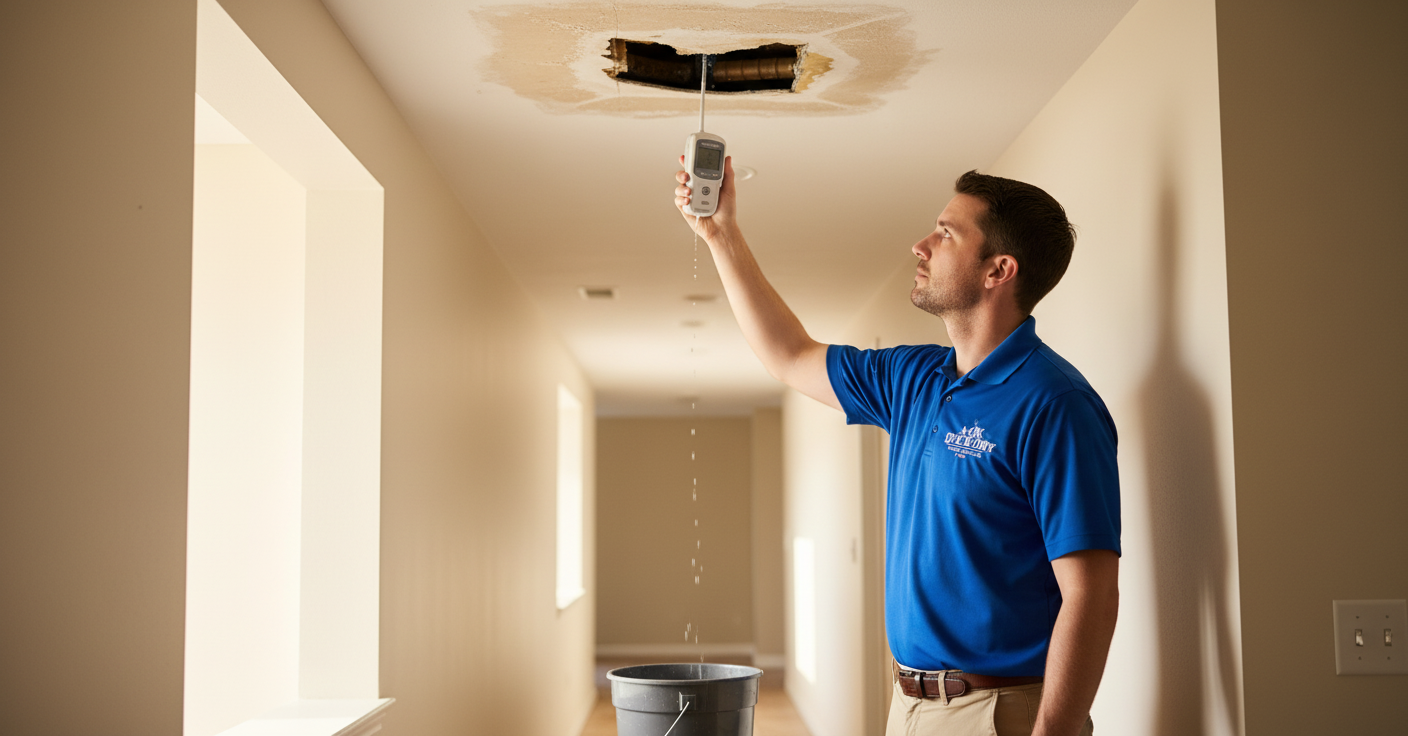
From December through March, northern Illinois runs a recurring experiment on every home's plumbing: stretches of single-digit cold, sudden thaws, and then another arctic front. Frozen pipes are one of the most common — and most expensive — winter disasters in McHenry, Lake, Kane, and DuPage county homes, and they're also one of the most preventable. Here's how pipes actually freeze and burst, which ones go first, how to protect them, and exactly what to do if one lets go.
How a Frozen Pipe Becomes a Burst Pipe
Water expands as it freezes — that part everyone knows. But the pipe usually doesn't split at the ice itself. As an ice plug grows inside a pipe, it seals the line and traps water between the blockage and the closed faucet downstream. The expanding ice drives the pressure in that trapped section higher and higher until the pipe or a fitting gives way — often somewhere other than the frozen spot. That's why a pipe can freeze quietly overnight and burst hours later, and it's also why the classic advice to let a faucet drip works: an open faucet relieves the pressure, so even if ice forms, the pipe survives until it thaws.
The nastiest version of this is the burst you don't discover right away. A pipe that splits while frozen may not leak until the thaw — so the flood starts when the weather warms up, sometimes while you're at work or away for the weekend, and water runs until someone finds it. And because supply lines run through walls and ceilings, an upstairs burst rarely stays upstairs: water follows framing and drywall down through every floor below it, which is how one split fitting in a second-floor bathroom ends up soaking a kitchen ceiling and the basement carpet under it.
Which Pipes Freeze First
Cold doesn't treat all plumbing equally. When temperatures dive, these are the usual first casualties:
- Pipes in exterior walls — especially kitchen and bathroom supply lines on a north-facing wall, where only a layer of (often thin) insulation separates them from the outdoors.
- Pipes in unheated spaces — crawl spaces, attics, unfinished basements, and above garages. A bonus room over a garage is a classic freeze point.
- Outdoor spigots (hose bibs) and the interior pipe feeding them, especially with a garden hose still attached — a connected hose traps water in the line and defeats even a frost-free spigot.
- Pipes near foundation cracks, dryer vents, and sill plates, where a thin jet of subzero outside air blows directly on a supply line. A pipe in a 60-degree basement can still freeze if a draft hits one spot of it all night.
Before Winter: Set Your Plumbing Up to Survive
An hour or two of fall prep eliminates most of the risk:
- Disconnect garden hoses and shut off exterior spigots. Close the interior shutoff valve feeding each outdoor faucet, then open the spigot outside to drain the line.
- Insulate exposed pipes in crawl spaces, attics, garages, and unfinished basement areas. Foam pipe sleeves are cheap and take minutes to install. For chronic problem spots, thermostatically controlled heat cable adds active protection.
- Seal the drafts that aim cold air at pipes. Caulk foundation cracks, seal gaps around sill plates and utility penetrations, and close crawl space vents for the winter. Killing the draft often matters more than adding insulation.
- Know where your main water shutoff is — usually where the water line enters the basement, near the meter. If a pipe ever bursts, this valve is the difference between a puddle and a disaster. Make sure everyone in the house can find it and turn it.
During a Cold Snap: The Deep-Freeze Routine
When the forecast shows subzero nights or a stretch of single-digit highs, take these extra steps:
- Let vulnerable faucets drip — a slow trickle of cold water from faucets served by exterior-wall or unheated-space pipes. Moving water freezes far less readily, and the open faucet relieves pressure if ice does form. The pennies of water are the cheapest insurance you'll ever buy.
- Open cabinet doors under kitchen and bathroom sinks on exterior walls so household heat reaches the pipes.
- Hold the thermostat steady, day and night. A deep nighttime setback during an arctic snap is how exterior-wall pipes freeze at 4 a.m. Keep the house at a consistent temperature until the cold breaks.
- Keep the garage door closed, especially if supply lines run through or above the garage.
- Leaving town? Don't set the heat below about 55°F, and have someone check the house during a freeze. For longer winter absences, consider shutting off the main and draining the system.
If a Pipe Freezes (But Hasn't Burst)
A faucet that slows to a trickle during a freeze is your early warning. Act while it's still just ice:
- Keep the affected faucet open — it relieves pressure and gives meltwater somewhere to go.
- Warm the suspect pipe section gently: a hair dryer, a heating pad, towels soaked in hot water, or a space heater in the room (kept clear of anything flammable).
- Never use an open flame — no torches, no charcoal, nothing burning. Open flames start house fires and can damage the pipe.
- If you can't find the frozen section or can't reach it, call a plumber before it becomes a burst.
If a Pipe Bursts: The First Ten Minutes
A burst supply line can release an enormous amount of water in very little time, so move fast and in this order:
- Shut off the main water valve immediately. This is why you found it back in the fall.
- Kill electricity to affected areas at the breaker panel if water is anywhere near outlets, cords, or appliances — and don't wade through water to reach the panel.
- Open faucets to drain remaining pressure from the lines.
- Photograph and video the damage before you start moving things — your insurance claim will go far more smoothly.
- Call a 24/7 restoration company, then your insurance carrier. Water from a burst pipe soaks into carpet pad, drywall, and framing by the hour, and mold can begin growing within 24–48 hours. Fast professional extraction and drying is what keeps a burst pipe from becoming a gut-and-rebuild.
Professional burst pipe cleanup is more than removing the visible water. Truck-mounted emergency water removal pulls standing water out of flooring fast, and structural drying — commercial air movers and dehumidifiers placed, measured, and monitored over several days — takes the hidden moisture back out of walls, subfloors, and framing so mold never gets its 48-hour head start.
The Short Version
Disconnect hoses and drain outdoor spigots in the fall. Insulate and draft-proof pipes in exterior walls and unheated spaces. During a cold snap, drip the vulnerable faucets, open the sink cabinets, and hold the thermostat steady. Know where the main shutoff is before you need it — and if a pipe lets go anyway, shut off the water, document the damage, and get drying started the same day.
If you're dealing with a burst pipe right now, A OK Quick-Dry provides 24/7 water damage restoration across McHenry, Lake, Kane, DuPage, and northern Cook counties. Call 847-474-9437 — we'll walk you through the immediate steps while a crew heads your way.
More Carpet Cleaning Tips
 Water DamageWhat to Do in the First Hour of a Basement FloodElectricity first, then stop the water, then document for insurance. A step-by-step first-hour checklist for a flooded basement — including what a shop vac can and can't do, and when to call a pro.Read article →
 Water DamageWhy Sump Pumps Fail (and How to Prevent a Flooded Basement)Power outages, stuck floats, frozen discharge lines, and plain old age — why sump pumps quit at the worst moment in northern Illinois, and the simple testing routine that prevents the flood.Read article →
 Pet Urine & OdorDoes Professional Carpet Cleaning Get Rid of Dog Urine?Yes — but only when the visit includes a real pet urine treatment. Here's why a standard cleaning can't kill the odor, where dog urine actually goes, and the deep-treatment process that removes it for good.Read article →