
What to Do in the First Hour of a Basement Flood
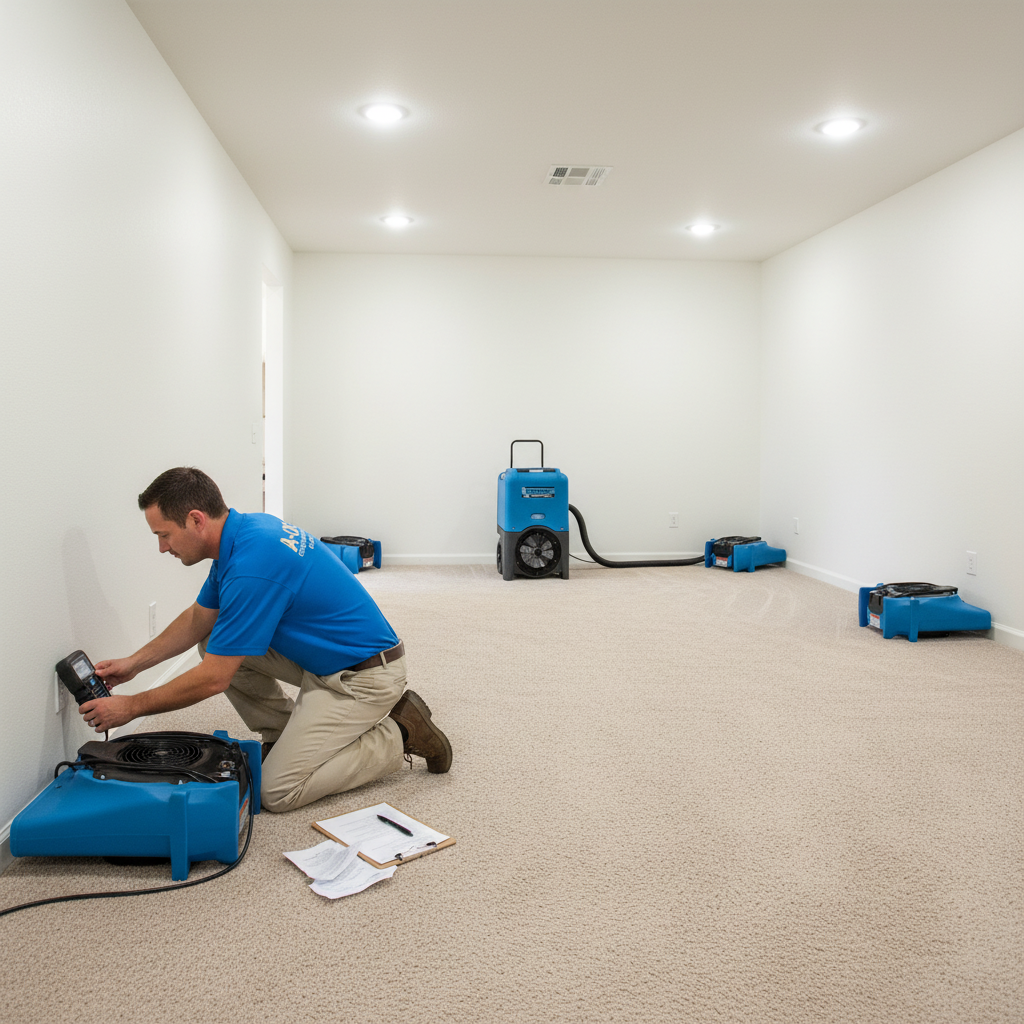
You walk downstairs and your feet hit water. Whether it's a failed sump pump, a burst pipe, or a spring storm that overwhelmed the drain tile, what you do in the first hour of a basement flood has an outsized effect on everything that follows — how much of your home can be saved, how smoothly your insurance claim goes, and whether you end up fighting mold for months afterward. Here's the first hour, step by step, in the order that keeps you safe and limits the damage.
Step 1: Stop at the Bottom of the Stairs — Electricity First
Before you take a single step into the water, look around the room. Water and electricity together can be lethal, and a flooded basement usually has both: outlets near the floor, extension cords behind the couch, a freezer plugged in along the wall, maybe the electrical panel itself.
- If the water is anywhere near outlets, appliances, or the electrical panel, do not wade in. Even a few inches of water can carry current from a submerged outlet or cord.
- Shut off power to the basement at the breaker panel — but only if you can reach the panel without stepping in or through water. Use a dry wooden object or stand on something dry if you have any doubt.
- If you can't reach the panel safely, call an electrician or your electric utility and ask them to cut power before anyone enters. It feels slow when your basement is filling with water, but no amount of soaked carpet is worth an electrical injury.
One more safety check before you go further: where is the water coming from? If it's backing up out of a floor drain or a basement toilet, it's sewage — contaminated water that carries bacteria. Don't walk through it, don't let kids or pets near it, and leave the cleanup of that water to professionals with protective equipment.
Step 2: Stop the Water at Its Source
Once you know it's safe to move around, your next job is to stop more water from coming in. What you do depends on where it's coming from:
- Burst or leaking pipe: shut off the main water valve. In most northern Illinois homes it's near where the water line enters the basement, often close to the water meter. (Every adult in the house should know where this valve is — find it on a calm day, not a flooded one.)
- Failed sump pump: check whether it's a power problem (tripped breaker, unplugged cord) or the pump itself. If you can safely restore power to the pump and it starts running, you've just turned the tide.
- Leaking water heater or appliance: most have their own shutoff valve on the supply line; close it, and shut off the main if you're not sure.
- Groundwater or storm seepage: you can't shut off the sky. Focus on the next steps — protecting belongings and getting water out — and let the storm pass.
Step 3: Make Two Phone Calls
With the source handled (or at least identified), get help moving while you work:
- Call a water damage restoration company. Professional extraction equipment removes hundreds of gallons quickly and — just as important — pulls water out of carpet, pad, and drywall that no household tool can reach. Response time matters here: drywall wicks water upward hour by hour, and mold can begin growing within 24–48 hours of a flood. A OK Quick-Dry answers emergency water removal calls 24/7 across McHenry, Lake, Kane, DuPage, and northern Cook counties — 847-474-9437.
- Call your insurance company (or at least start the claim online). They'll tell you what your policy covers, open a claim number, and explain what documentation they need. Ask specifically whether your policy covers the type of water event you're having — sump pump failure and sewer backup are often separate riders from a burst-pipe claim.
Step 4: Document Everything Before You Move Anything
The urge to start grabbing belongings is strong. Resist it for ten minutes and document the scene first — your future self, filling out claim paperwork, will thank you.
- Take wide photos and video of every affected room, showing how high the water is and what it's touching.
- Note the water depth — a photo of a tape measure or even a yardstick standing in the water is ideal.
- Photograph damaged items individually as you encounter them: furniture, electronics, boxes, flooring.
- Don't throw anything away yet. Adjusters may want to see damaged items. Set them aside in the garage instead of the curb until your insurer says otherwise.
- Keep receipts for anything you buy or rent to deal with the flood — those costs are often reimbursable.
Step 5: Move What You Can Save
Now start lifting things out of harm's way, starting with what's most valuable and most absorbent:
- Move boxes, books, photos, and documents to a dry floor upstairs.
- Get area rugs out of the water — they'll bleed dye into carpet as they sit.
- Lift furniture onto blocks of scrap wood, or slide aluminum foil under the legs of pieces too heavy to move. This stops wood stain and rust from transferring into wet carpet.
- Unplug and relocate electronics only after power to the area is off.
Step 6: Remove Water — But Know Your Limits
Here's where well-meaning homeowners often make things worse. A quick guide to what helps and what doesn't:
- Never use a regular household vacuum on water. It isn't built for it and it's an electrocution hazard.
- A wet/dry shop vac is fine for shallow puddles and edges — but don't rely on one for deep standing water. A shop vac holds a few gallons at a time; a flooded basement can hold hundreds. You'll spend hours emptying a canister while water keeps soaking into drywall and framing, and you're running an electric appliance while standing in water the whole time. Deep standing water is a job for submersible pumps and truck-mounted extraction.
- Towels, mops, and squeegees are genuinely useful for pushing water toward a working floor drain.
- Don't run fans over contaminated water (sewage or outdoor floodwater) — you'll spread bacteria through the air. Fans come later, on clean, extracted surfaces.
Why the Clock Matters So Much
A basement doesn't get a little worse each day — it gets worse by the hour. Carpet pad holds water like a sponge and releases it slowly into the subfloor. Drywall wicks moisture upward well above the visible water line. Wood framing and trim swell as they absorb water. And mold, once it starts in that 24–48 hour window, turns a drying job into a remediation job. The homes that come through a flood best are almost always the ones where extraction started the same day. That's the whole reason basement flooding cleanup is a 24/7 emergency service and not a next-week appointment.
The First-Hour Checklist, In Order
- Check for electrical hazards before entering; kill power to the basement if you can do it safely.
- Identify the water source and stop it if you can (main shutoff, sump pump power, appliance valve).
- Call a 24/7 restoration company, then your insurance carrier.
- Photograph and video everything before moving it.
- Move valuables up and get furniture out of the water.
- Remove what water you safely can — and leave deep standing water to professional equipment.
If you're standing in a wet basement right now, skip the reading and make the call: A OK Quick-Dry provides 24/7 water damage restoration throughout McHenry, Lake, Kane, DuPage, and northern Cook counties. Call 847-474-9437 and we'll walk you through the immediate steps while a crew heads your way.
More Carpet Cleaning Tips
 Water DamageWhy Sump Pumps Fail (and How to Prevent a Flooded Basement)Power outages, stuck floats, frozen discharge lines, and plain old age — why sump pumps quit at the worst moment in northern Illinois, and the simple testing routine that prevents the flood.Read article →
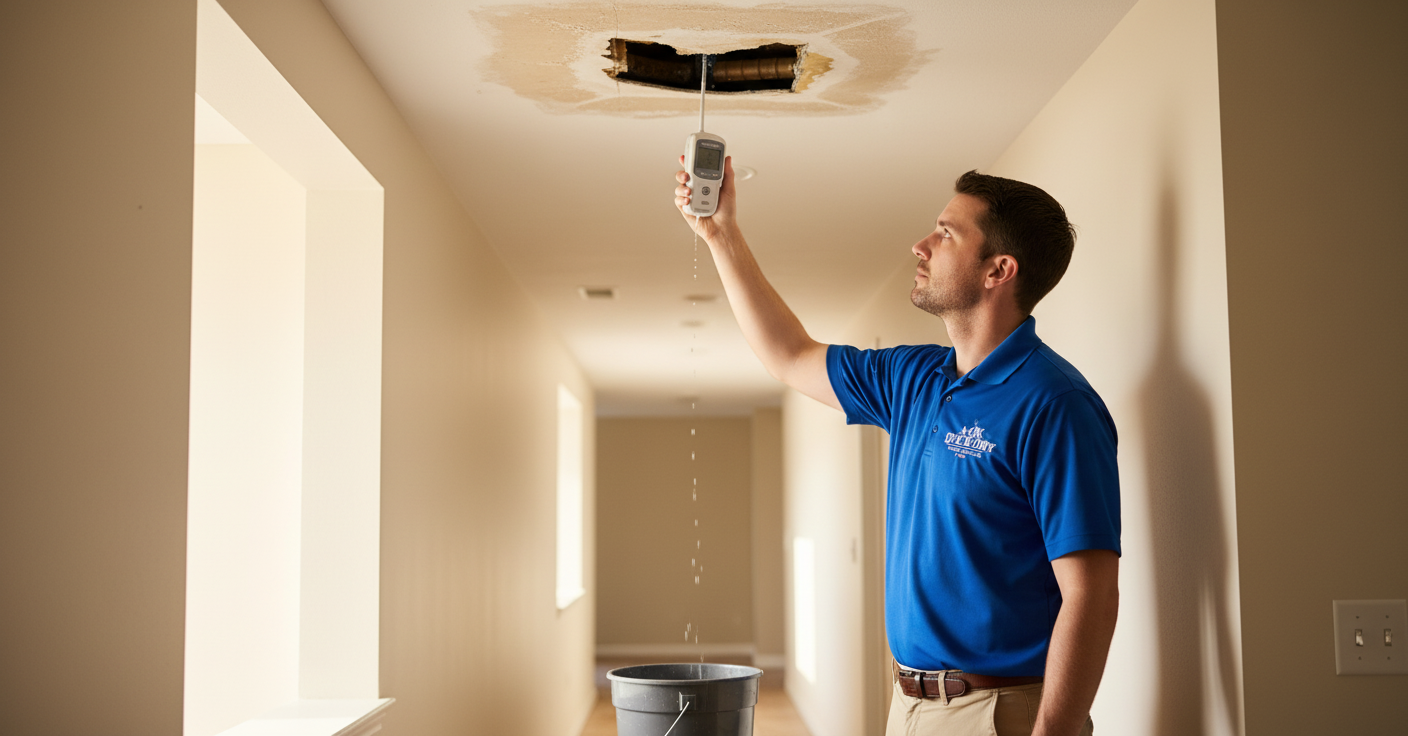 Water DamageHow to Prevent Frozen Pipes in Northern Illinois WintersWhich pipes freeze first, the deep-freeze routine that protects them (dripping faucets, open cabinets, steady heat), and exactly what to do in the first ten minutes after a pipe bursts.Read article →
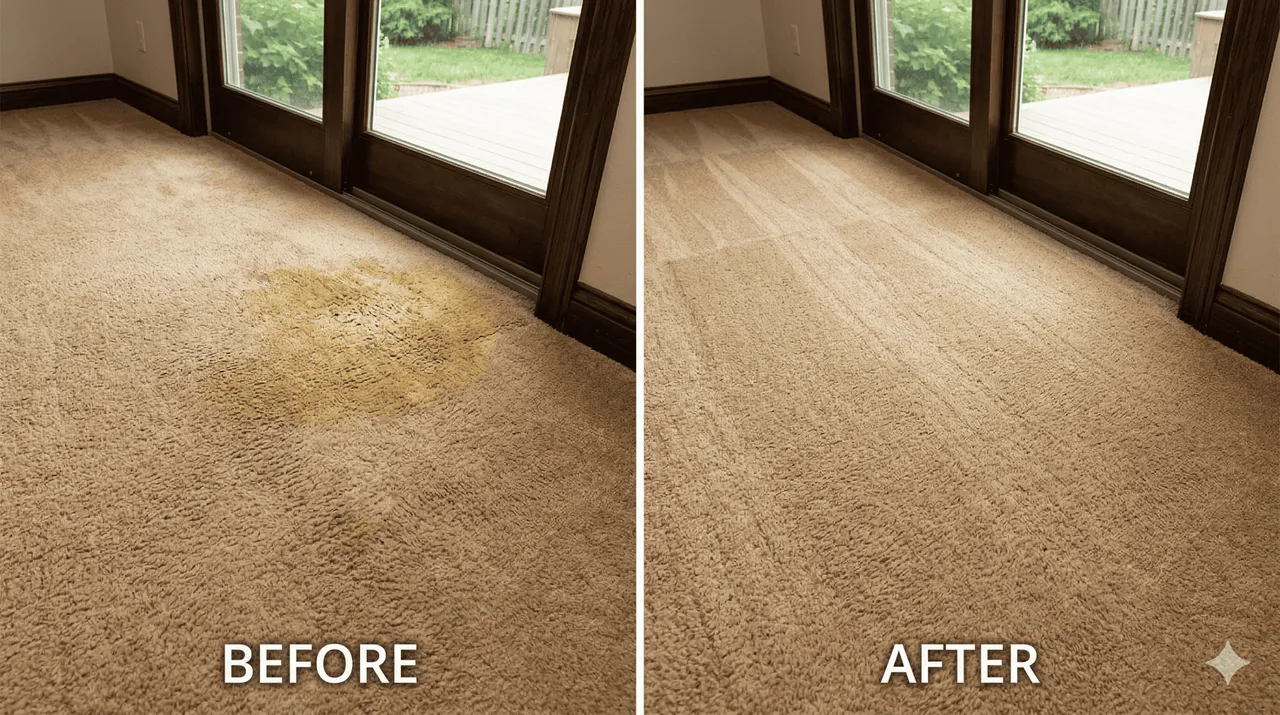 Pet Urine & OdorDoes Professional Carpet Cleaning Get Rid of Dog Urine?Yes — but only when the visit includes a real pet urine treatment. Here's why a standard cleaning can't kill the odor, where dog urine actually goes, and the deep-treatment process that removes it for good.Read article →