
Why Sump Pumps Fail (and How to Prevent a Flooded Basement)

If you own a home in McHenry, Lake, Kane, or DuPage county, there's a good chance a single appliance in a hole in your basement floor is all that stands between you and thousands of dollars of water damage. Northern Illinois basements lean hard on their sump pumps — and sump pumps fail more often, and more predictably, than most homeowners realize. Here's why they fail, why this region is especially unforgiving about it, and the short maintenance routine that catches most failures before they flood your basement.
Why Northern Illinois Is Hard on Sump Pumps
Two local facts make sump pumps work harder here than in much of the country:
- Clay-heavy soil. Much of the Chicago suburbs sits on dense clay that drains slowly. When rain falls or snow melts, water can't percolate down and away quickly — it lingers against foundations and finds its way into drain tile and sump pits. A pump in clay soil simply runs more often, for more of the year, than the same pump in sandy ground.
- Spring pile-ups. The classic northern Illinois flood setup is late winter into spring: a snowpack melts, the ground is still partly frozen and can't absorb the water, and then a heavy spring rain lands on top of it. Sump pumps that idled all winter are suddenly asked to run nearly continuously for days. That's exactly when weak pumps quit — and when the thunderstorms knocking out power arrive, too.
In other words, sump pumps around here fail at the worst possible moment almost by design: the conditions that break them are the same conditions that flood basements.
The Most Common Ways Sump Pumps Fail
1. The power goes out
The single most common cause of sump-related flooding isn't the pump at all — it's the electricity. The same storm dumping two inches of rain on your saturated yard is the one taking down power lines. No power, no pump, and the pit overflows within minutes to hours depending on how fast water is coming in. This is why a backup system (more below) matters more than the brand of your primary pump.
2. The float switch sticks
The float switch is the part that senses rising water and turns the pump on. It's also the part most likely to fail. Floats get wedged against the pit wall, tangled in the power cord, or jammed by debris — and a pump with a stuck float will sit silently in a full pit. Switches also simply wear out from tens of thousands of on-off cycles. If a pump hums but never triggers, or triggers but never shuts off, the switch is the usual suspect.
3. The pump is overwhelmed or undersized
A pump that keeps up with ordinary rain may fall behind during a snowmelt-plus-downpour event. If your pump runs constantly during heavy weather and the water level still creeps up, it doesn't have the capacity your house needs — or the pit is collecting more water than one pump can handle.
4. The check valve fails
The check valve is a one-way gate on the discharge pipe. Without a working one, every gallon the pump pushes up the pipe falls right back into the pit the moment the pump shuts off — so the pump immediately kicks on again to move the same water. That short-cycling wears the motor out years early. A failed check valve is quiet, invisible, and one of the most common reasons a "new" pump dies young.
5. The intake or discharge is clogged — or frozen
Silt, gravel, and debris in the pit can clog the pump's intake screen. Outside, the discharge line can get crushed, blocked, or — very relevant in an Illinois January or February — frozen solid. A pump pushing against an ice plug moves no water and burns itself out trying. If your discharge line runs long and shallow across the yard, freezing is a real risk during a midwinter thaw when the pump suddenly has work to do.
6. The pump is simply old
A typical sump pump lasts about 7 to 10 years — less if it cycles frequently, which clay-soil homes tend to cause. Pumps rarely announce their retirement; they just don't turn on one day. If you don't know how old your pump is, it came with the house, or it's had a decade of service, replace it proactively. A new pump costs a small fraction of what a flooded basement does.
How to Prevent the Flood: A Simple Routine
Most sump failures are preventable with a routine that takes minutes:
- Test it every season — and before big storms. Pour a bucket of water into the pit until the float rises. The pump should kick on promptly, drain the pit, and shut off cleanly. If it doesn't, you've found the problem on your schedule instead of the storm's.
- Clean the pit once or twice a year. Unplug the pump and remove silt, gravel, and debris that could jam the float or clog the intake.
- Confirm the check valve is working. Listen after the pump shuts off — a rush of water falling back into the pit means the valve is stuck open and should be replaced.
- Walk the discharge line. Make sure it's intact, slopes away from the foundation, discharges well clear of the house, and isn't buried in snow or ice. In winter, check it during thaws.
- Add a battery backup pump. This is the single highest-value upgrade for a northern Illinois basement. A battery backup runs when the power fails or the primary pump dies — exactly the two most common failure modes. Water-powered backup pumps (which run off municipal water pressure, no electricity needed) are another option for homes on city water. Test the backup on the same schedule as the primary.
- Replace on age, not on failure. At the 7–10 year mark, swap the pump before it makes the decision for you.
If the Pump Loses the Battle Anyway
Sometimes the storm wins — the outage outlasts the battery, or the pump quits at 2 a.m. and nobody knows until morning. If you find water in your basement, the first hour matters enormously: electricity off, source addressed, photos for insurance, and extraction started fast. We wrote a step-by-step guide for exactly that situation: what to do in the first hour of a basement flood.
Speed is the whole game with basement flooding. Carpet pad, drywall, and framing soak up water by the hour, and mold can begin growing within 24–48 hours. Professional emergency water removal pulls the standing water out fast, and structural drying equipment — commercial air movers and dehumidifiers, placed and monitored over several days — takes the moisture back out of the materials you can't see into.
The Bottom Line
Sump pumps fail from power outages, stuck switches, bad check valves, clogged or frozen discharge lines, and plain old age — and northern Illinois clay soil and spring melt cycles stress every one of those weak points. Test the pump seasonally, keep the pit clean, walk the discharge line, add a battery backup, and replace the pump before its tenth birthday. That short list prevents the large majority of sump-related floods.
And if you're reading this with wet carpet under your feet: A OK Quick-Dry answers water damage calls 24/7 across McHenry, Lake, Kane, DuPage, and northern Cook counties. Call 847-474-9437 and we'll get extraction and drying equipment moving your way.
More Carpet Cleaning Tips
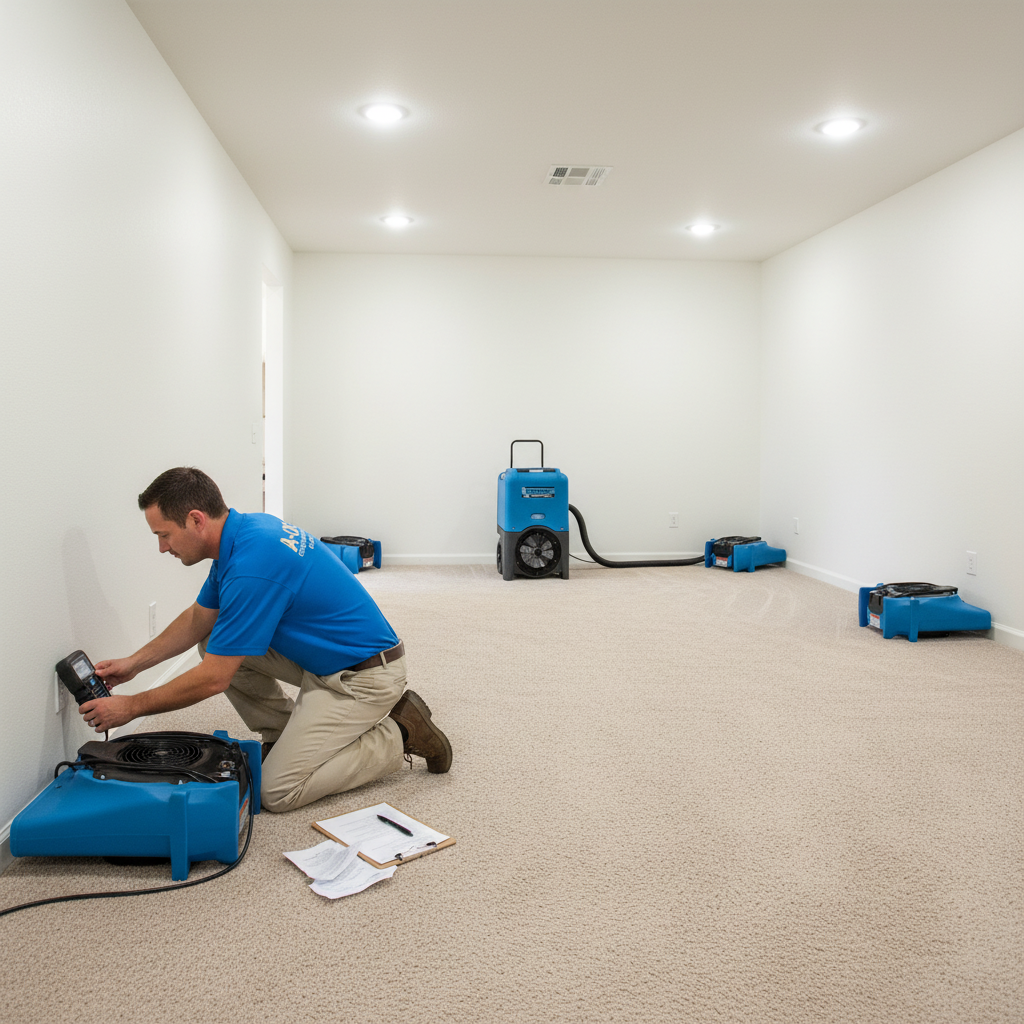 Water DamageWhat to Do in the First Hour of a Basement FloodElectricity first, then stop the water, then document for insurance. A step-by-step first-hour checklist for a flooded basement — including what a shop vac can and can't do, and when to call a pro.Read article →
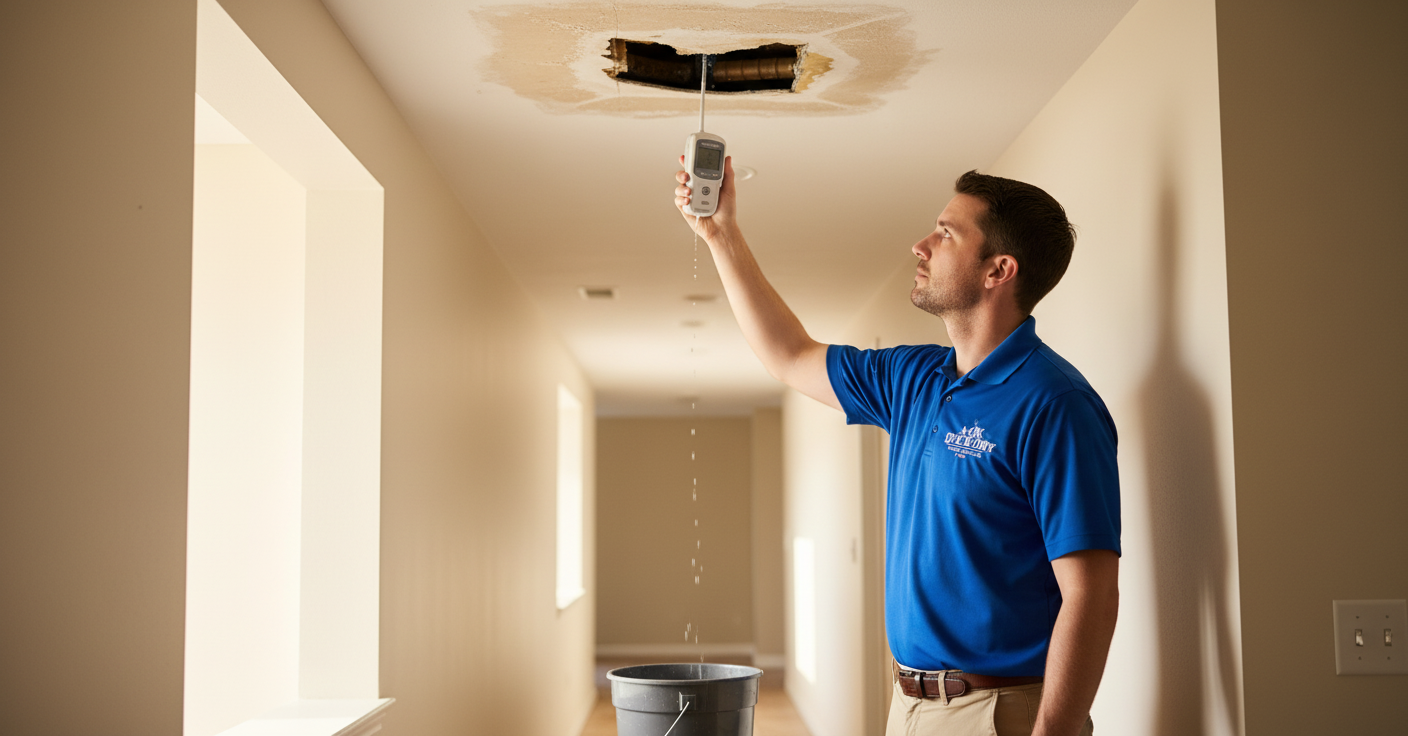 Water DamageHow to Prevent Frozen Pipes in Northern Illinois WintersWhich pipes freeze first, the deep-freeze routine that protects them (dripping faucets, open cabinets, steady heat), and exactly what to do in the first ten minutes after a pipe bursts.Read article →
 Pet Urine & OdorDoes Professional Carpet Cleaning Get Rid of Dog Urine?Yes — but only when the visit includes a real pet urine treatment. Here's why a standard cleaning can't kill the odor, where dog urine actually goes, and the deep-treatment process that removes it for good.Read article →